Introduction
In the field of clinical medical aesthetics, Intense Pulsed Light (IPL)—commonly known as “photofacial” or “photon skin rejuvenation”—is one of the most widely performed procedures.
However, a common clinical challenge is poor patient compliance. Many patients believe that since a session lasts only ten-odd minutes, skipping it makes little difference, or they assume that delaying treatment by a few weeks is inconsequential. While physicians often advise patients based on experience that “consistent treatment yields better results,” they frequently lack quantitative, evidence-based data to support these discussions.
So, what are the actual results of a photofacial session lasting just over ten minutes? What are the most influential factors affecting the effectiveness of IPL skin rejuvenation treatment? A recent study provides clear answers, offering a solid foundation for patient communication and treatment planning. Let’s learn together!

What Is Photofacial?
Intense Pulsed Light (IPL) therapy is a non-invasive cosmetic procedure that uses intense pulsed light to treat the skin’s surface. It works by delivering broad-spectrum light at specific wavelengths into the deeper layers of the skin, where it selectively targets subcutaneous pigments or blood vessels. This process breaks down pigmented spots and closes abnormal capillaries while simultaneously stimulating collagen production to restore skin elasticity.
Core Mechanisms:
- Photothermolysis: Pigments absorb the light and heat up; the resulting temperature difference causes the pigment to shatter and break down.
- Collagen Stimulation: It induces molecular structural changes in the collagen and elastic fibers within the dermis, helping to restore the skin’s natural elasticity.
Photofacial is not about bleaching the skin, nor is it simply about using a light source. it utilizes a carefully filtered form of intense pulsed light. Melanin, hemoglobin, and water within the skin absorb light at different wavelengths.
When melanin absorbs the light, it helps fade superficial spots and dullness; when hemoglobin absorbs it, redness and red acne marks are improved. Additionally, the gentle thermal stimulation of the dermis leads to a gradual refinement of skin texture. Consequently, IPL is an ideal treatment for managing overall skin tone and texture.

Photofacial Research Experimental Design
This is a retrospective study that included 236 patients who received IPL treatment. All patients completed at least 6 treatments and had complete VISIA (the world’s best skin analyzer) imaging and adverse reaction records.
1. Patient Grouping.
Patients were divided into three groups based on clinical diagnosis:
- Acne group: 36 cases (15.3%);
- Rosacea group: 55 cases (23.3%);
- Cosmetic/anti-aging group: 145 cases (61.4%)—patients with no specific skin disease, seeking only to improve redness, uneven skin tone, and fine lines.
2. Treatment Protocol.
All patients were treated using the Lumenis M22 system, with parameters individualized according to standard clinical practice:
- Fluence: 12–18 J/cm² for Fitzpatrick skin types I–III; 10–15 J/cm² for type IV;
- Pulse duration: 5–20 ms, adjusted based on the severity of erythema and pigmentation;
- Filter: 515–560 nm filters were routinely used to target both vascular and pigmented lesions; adjustments were made for darker skin tones as appropriate;
- Treatment interval: 4–6 weeks for the first three sessions, extended to 6–8 weeks as the skin condition improved;
- Post-treatment care: Immediate cold compress for 15 minutes, routine moisturization, and strict sun protection.
The study employed a dual assessment system combining objective imaging and clinical scoring.
Core Results of The Experimental Study
1. All Indicators Have Improved
Research results show that after completing more than six sessions of photorejuvenation treatment, all subjects demonstrated statistically significant improvements in indicators related to erythema, pigmentation, and wrinkles.

During the course of treatment, a total of 184 patients (78.0% of the total) maintained regular treatment intervals. In contrast, 52 patients (22.0% of the total) had arbitrarily prolonged intervals and irregular follow-up visits, failing to meet the predefined interval standards.
The magnitude of benefit observed in the regular treatment group was significantly superior to that in the irregular treatment group.
Analysis of results for the regular treatment group:
The median erythema area decreased from 640.00 mm² to 372.40 mm² (p<0.001);
The median pigmentation area decreased from 577.54 mm² to 370.61 mm² (p<0.001);
The median improvement in the wrinkle index was 123.5 (p<0.001).
In contrast, while the irregular treatment group also showed statistically significant improvements across these metrics, the magnitude of improvement was only about one-third to one-quarter of that seen in the regular treatment group; the difference between the groups was significant.
This clearly demonstrates that the cumulative efficacy of IPL is highly dependent on the regularity of treatment intervals; intermittent treatment significantly compromises the results.
2. Differences in Treatment Outcomes for Different Indications
Following Photofacial treatments, stratified analysis based on clinical diagnosis revealed distinct patterns of improvement across different patient groups:
- Rosacea group: Erythema showed the greatest degree of improvement—significantly higher than in the other two groups—confirming IPL as an effective first-line treatment for the erythematous stage of rosacea; long-term, regular treatment yields more durable vascular remodeling.
- Cosmetic anti-aging group: Balanced and comprehensive improvements were observed across erythema, pigmentation, and wrinkles, demonstrating that IPL is highly suitable as a long-term anti-aging maintenance treatment for healthy skin.
- Acne group: Significant improvements were seen in both post-acne erythema and skin texture, with consistent long-term benefits for post-inflammatory redness, enlarged pores, and uneven skin texture.
Physician assessments using the Global Aesthetic Improvement Scale (GAIS) showed that the majority of patients undergoing regular treatment achieved a score of 4 (Satisfied) or 5 (Very Satisfied), reflecting a high level of overall clinical acceptance.
3. Factors Influencing Treatment Outcomes
Through multivariate logistic regression analysis, the study identified three independent predictors of a favorable response to IPL photofacial treatment:
| Influencing factors | OR value | 95% confidence interval | P-value | Clinical significance |
| Regular and consistent treatment | 13.62 | 3.58-51.87 | <0.001 | Strongest positive predictor |
| Total number of treatment sessions | 3.80 | 1.37-10.53 | 0.010 | The more treatments, the better the response |
| Fitzpatrick l V-shaped | 0.12 | 0.04-0.42 | 0.001 | Inverse relationship: the darker the skin tone, the poorer the treatment outcome |
Most notably, the odds ratio (OR) for regular treatment was as high as 13.62 – meaning that patients who maintained regular treatment intervals were more than 13 times more likely to achieve good clinical outcomes than those who did not. This figure far outweighs the impact of the total number of sessions, suggesting that “six sessions performed on schedule” yield far better results than “ten sessions performed sporadically.”
Factors such as age, gender, and diagnosis (acne, rosacea, or cosmetic concerns) were not found to be independent predictors. This implies that, provided the treatment plan is appropriate and adherence is high, patients across various age groups and indications can benefit from long-term, consistent IPL therapy.
Why do Regular Treatments Yield Such Good Results?
We know that the skin-rejuvenating effects of IPL arise from the synergy of two distinct pathways:
- Immediate effects: Through selective photothermolysis, IPL seals abnormally dilated capillaries and fragments melanin granules in the epidermis and superficial dermis, thereby addressing redness and pigmentation, respectively.
- Cumulative effects: Photothermal energy is transmitted to the dermis, mildly stimulating fibroblast activation and initiating collagen synthesis and dermal remodeling, which gradually improves skin texture and reduces fine lines.
The value of a regular treatment regimen lies precisely in maximizing these cumulative effects. Fibroblast activation and collagen synthesis require sustained, gentle stimulation; the 4–8 week interval aligns perfectly with the natural cycles of tissue repair and collagen deposition. Adhering to the schedule allows the dermal remodeling effects to build upon one another, ultimately resulting in an overall improvement in skin quality.
If the interval between sessions is too long, the fibroblast activation triggered by the previous treatment subsides and collagen deposition ceases; consequently, the subsequent session effectively acts as a “restart,” significantly diminishing the cumulative benefit.
As for the low response rate observed in Fitzpatrick Type IV skin, the underlying cause is essentially a competition for energy absorption by melanin. The high epidermal melanin content in darker skin absorbs a significant portion of the IPL energy, leaving insufficient effective energy to reach the target tissues—namely, the blood vessels and the dermis. Furthermore, to prevent epidermal burns, clinicians must lower the energy density, which further compromises therapeutic efficacy.
Suitable and Unsuitable Groups
Photofacial is suitable for:
- Individuals with rough skin, enlarged pores, or fine lines.
- For those who wish to prevent skin aging and improve photoaging problems.
- People with benign skin lesions such as age spots and red blood vessels on their face.
Photofacial is not suitable for:
1. Individuals who absolutely cannot receive treatment:
- Photosensitive diseases: such as porphyria, xeroderma, lupus erythematosus, etc.;
- Pregnant and lactating women;
- Severe systemic diseases: immune system disorders, liver and kidney dysfunction, severe cardiovascular diseases;
- Skin infections or active inflammation;
- Individuals with a tendency to form keloids.
2. Individuals requiring careful consideration:
- Recent history of intense sun exposure (intense sunlight or UV therapy within the past 4 weeks);
- Medication use: Use of retinoids (e.g., isotretinoin) within the past 6 months, or intake of photosensitizing drugs (e.g., tetracycline antibiotics);
- Individuals with darker skin tones (Fitzpatrick skin types III–VI require caution due to the risk of hyperpigmentation);
- Recent history of chemical peels or dermabrasion;
- Inability to adhere to strict post-procedure sun protection measures.
Photofacial Treatment Process and Course
Treatment time per session: Approximately 20-30 minutes.
Treatment plan:
- It usually takes 3-5 treatments to see noticeable results;
- Each session should be spaced 3-4 weeks apart (to respect the skin’s 28-day metabolic cycle);
- The more superficial the problem, the faster the results (e.g., freckles can be lightened after the first treatment), while deeper problems require a longer treatment time.
Treatment sensation: A slight tingling or elastic band-like sensation on the face, which is tolerable for most people. Slight redness and burning sensation may occur after the treatment.


Post-Photofacial Care Requirements
The effectiveness of photorejuvenation relies “30% on the treatment and 70% on aftercare”; post-procedure care directly impacts both the results and safety.
1. Immediate Post-Procedure Care
(0–24 hours post-procedure)
- Soothing Cold Compress: Apply chilled sterile gauze or a medical-grade cooling patch to the face for 10–15 minutes, 2–3 times daily, to alleviate redness, swelling, and burning sensations.
- Avoid High Temperatures: Do not wash your face with hot water, steam your face, use saunas, or soak in hot springs.
- Simplified Skincare: Use only a medical-grade repair spray (containing hyaluronic acid) and a medical-grade repair cream (containing ceramides and madecassoside).
2. Strict Sun Protection
(The 1–3 months following the procedure are critical) Sun protection is key to preventing post-inflammatory hyperpigmentation (“rebound darkening”):
- Prioritize Physical Sun Protection: For the first 3–7 days, rely primarily on wide-brimmed hats (UPF 50+), UV400 sunglasses, UV-blocking face masks, and parasols; ensure a UV-blocking rate of >95%.
- Sunscreen Selection: Once redness and swelling subside, use a physical sunscreen (mineral-based, containing zinc oxide or titanium dioxide) with SPF 50+ and PA++++ ratings to avoid irritation from chemical filters.
- Application Amount: Apply an amount at least the size of a standard coin (approx. 2 mg/cm²) to the face and reapply every 2 hours.
- Special Note: Sun protection is still required on cloudy days and when sitting near windows indoors, as UVA rays can penetrate glass.
3. Hydration and Repair
(The first week post-procedure is critical)
- Medical-Grade Masks: Use a medical-grade repair mask daily for the first 5 days post-procedure, then 1–2 times per week thereafter.
- Ingredient Selection: Look for repair ingredients such as ceramides, panthenol (Vitamin B5), Centella asiatica extract, and ectoin.
- Avoid Irritants: Do not use products containing AHAs (fruit acids), salicylic acid, retinoids (Vitamin A acid), high-concentration Vitamin C, alcohol, or fragrances.
4. Cleansing and Makeup
- Gentle Cleansing: Use lukewarm water (below 32°C) and a gentle amino acid-based cleanser; pat gently and avoid rubbing.
- Makeup Restrictions: Do not apply makeup—especially foundation, concealer, etc.—within one week after the procedure.
5. Diet and Lifestyle
- Recommended foods: Fruits and vegetables rich in vitamins C and E (e.g., citrus fruits, nuts) and high-quality protein.
- Foods to avoid: Spicy or irritating foods and photosensitizing foods (e.g., celery, cilantro, lemon).
- Behaviors to avoid: Strenuous exercise (within 3 days after the procedure), staying up late, smoking, and alcohol consumption.
High-Quality Photofacial Machines
IPL skin rejuvenation technology has a long history, and a wide variety of photofacial machines are currently available on the market.
However, there is significant variation in quality among machines from different manufacturers. Machine stability and the quality of the IPL light source directly influence the final results of the photofacial treatment.
Therefore, a high-quality photofacial machine is essential for a successful treatment outcome.


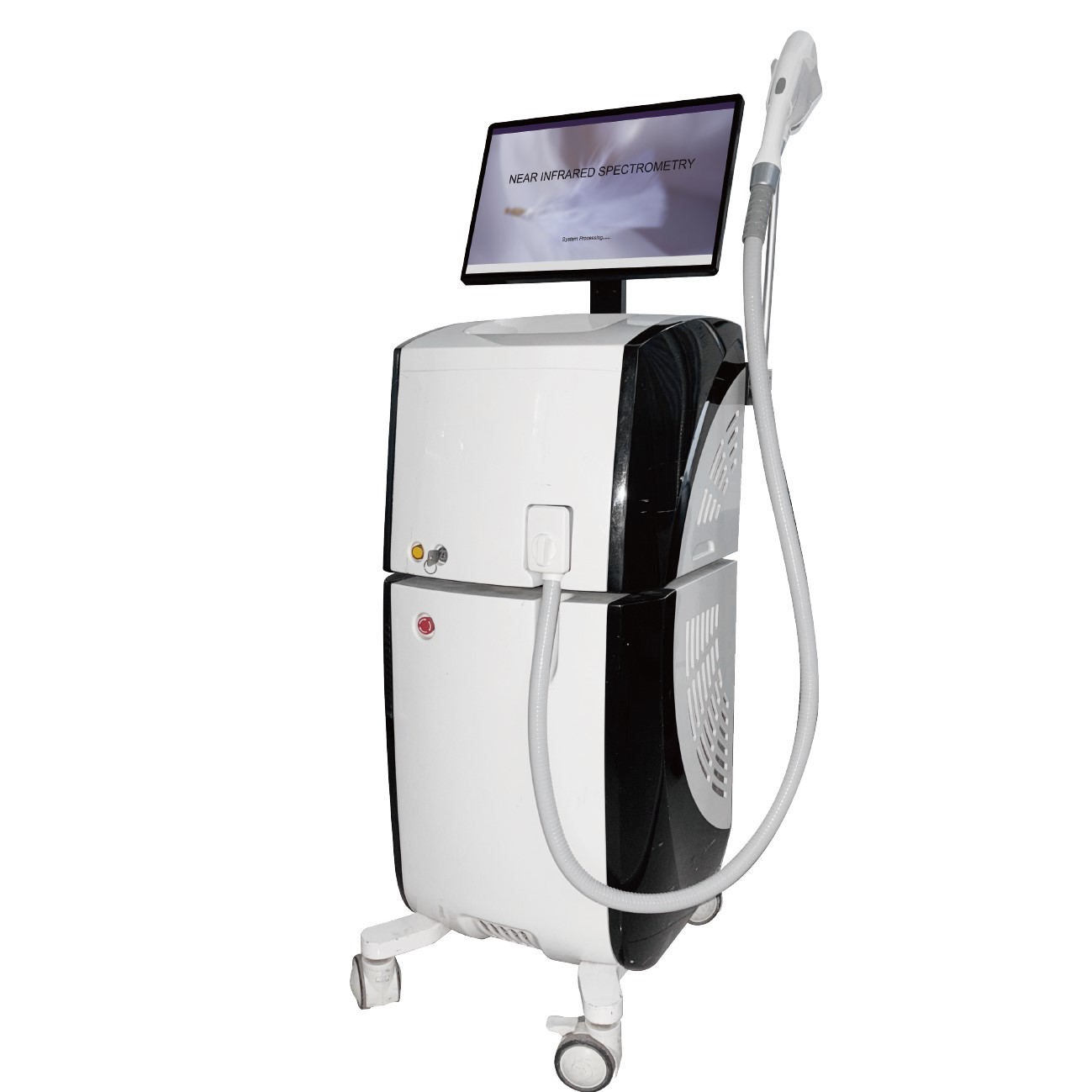
Liton Laser offers high-quality photofacial machines that utilize imported US xenon flashlamps as the light source, ensuring both purity and stability. Two handpiece options are available: a filter-based model and a fixed-wavelength model.
To ensure the most accurate treatment results, Professor Hong also provides clinical treatment guidelines for the Photofacial machine. These guidelines are based on long-term accumulated experience and can help beauticians or doctors who purchase the Photofacial machine to get started more easily and achieve ultimate success.
Contact LITON LASER now for the best photofacial treatment quote.
Frequently Asked Questions
Q1: What is a photofacial (IPL skin rejuvenation)? What skin problems can it improve?
Many people tend to confuse photorejuvenation(Photofacial) with laser-based aesthetic treatments. To clarify a key point right away: photorejuvenation is not a laser treatment; it relies on Intense Pulsed Light (IPL).
It utilizes a broad-spectrum light source with wavelengths ranging from 500 nm to 1200 nm. This wide spectral coverage is the fundamental principle behind its versatility in skincare.
To put it simply, photorejuvenation acts as a “general practitioner” for the skin within the realm of medical aesthetics. It addresses a wide range of concerns, primarily targeting three main categories of skin issues:
- Pigmentation issues: Freckles, dullness, acne marks, and uneven skin tone;
- Vascular issues: General redness, facial flushing, and superficial spider veins;
- Skin texture and quality issues: Enlarged pores, excessive oil secretion, rough texture, and signs of aging or dullness.
Q2: Can severe freckles and rosacea be treated with photofacial?
As a “general-purpose” medical aesthetic treatment, IPL excels at comprehensively improving overall skin quality but is less effective for specific, targeted issues.
If skin problems are severe, the results of IPL photorejuvenation are quite limited:
Dark, extensive, and severe freckles: Require specialized ultra-short pulse lasers (picosecond lasers) for pigment-shattering treatment;
Severe, clearly visible, and prominent spider veins (telangiectasia): Require specialized pulsed dye lasers for precise vascular coagulation.
In summary, choose IPL photorejuvenation for comprehensive care of mild skin issues; for stubborn or severe conditions, targeted specialized laser treatments are required.
Q3: How soon can results be seen after a photofacial treatment?
Many patients wonder why they don’t immediately see results—such as a brighter complexion, faded acne marks, or tightened pores—right after a Photofacial treatment.
It is important to understand that Photofacial treatments work by using gentle light energy to stimulate the skin’s natural metabolism; processes such as skin cell renewal, melanin turnover, and collagen regeneration all require time.
The typical timeframe to see results is 7 to 10 days. It is perfectly normal not to notice immediate changes; once the skin completes a natural metabolic cycle, the effects—including a brighter skin tone, lighter pigmentation, faded acne marks, and tightened pores—will become clearly visible.
Q4: How long do the results of a photofacial last?
Treatment frequency and the duration of results vary based on the individual’s baseline skin condition:
1. Individuals with a good skin foundation who primarily seek routine maintenance.
For those aiming to maintain skin stability, prevent aging, and enhance skin radiance, the results of a single treatment session can last 6–12 months. Just 1–2 IPL (Intense Pulsed Light) sessions per year are sufficient to maintain excellent skin quality in the long term.
2. Individuals with complex skin issues or poor skin quality.
This category includes those with recurrent breakouts, significant acne inflammation, enlarged pores, and excessive facial oil production. Due to rapid skin turnover and a tendency for issues to recur, the results of a single session do not last as long.
It is recommended to undergo one treatment per month initially, completing a standard course of 3–5 consecutive sessions; once the skin condition stabilizes, the overall results can last for approximately one year.
Conclusion
When communicating with patients regarding clinical treatments, do not focus solely on the number of sessions; instead, emphasize the importance of adhering to the scheduled treatment intervals. The protocol—comprising intervals of 4–6 weeks for the first three sessions followed by 6–8 weeks for subsequent ones—has been empirically proven to be highly effective. Patient compliance can be enhanced through measures such as appointment reminders and pre- and post-treatment VISIA comparisons.
For patients with Fitzpatrick skin type IV or darker, IPL (Intense Pulsed Light) treatments require appropriate adjustments: lower energy levels, filters with longer wavelengths, and moderately extended intervals between sessions. Thorough pre-treatment consultation is essential to explain that the degree of improvement may be less pronounced than in patients with lighter skin tones, thereby preventing unrealistic expectations.